

CRM Software for Healthcare Providers: Compliance and Efficiency
As the healthcare industry continues to evolve, the demand for advanced Customer Relationship Management (CRM) software has surged. These systems not only streamline operations but also ensure compliance with regulatory standards such as HIPAA (Health Insurance Portability and Accountability Act). This article examines how CRM software enhances the efficiency of healthcare providers while maintaining compliance, ultimately leading to improved patient care and satisfaction.
Understanding CRM Software in Healthcare
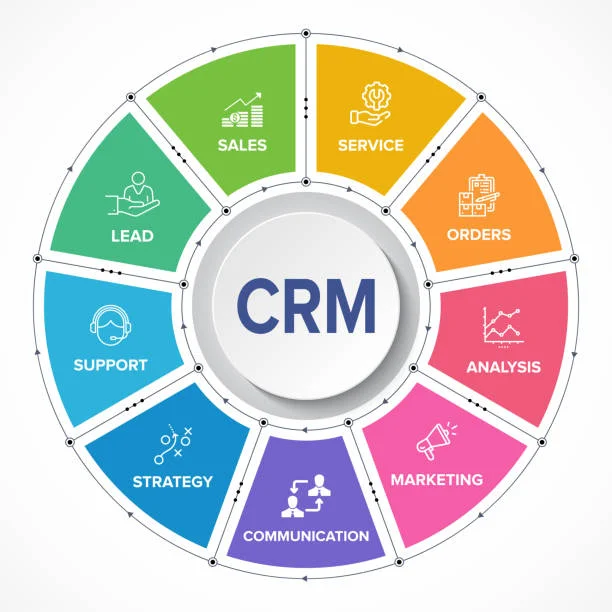
CRM software in healthcare is not merely a tool for managing patient information; it serves as a comprehensive system that integrates various functions essential for modern medical practices. These CRM solutions centralize patient data, streamline communication, and enhance the overall patient experience. By leveraging CRM technology, healthcare providers can improve operational efficiency while ensuring regulatory compliance.
Key Functions of CRM Software
-
Centralized Patient Data Management: CRM software allows healthcare providers to store and manage patient data in a single database. This centralization ensures that all relevant information is accessible, reducing the chances of data silos and improving communication between departments.
-
Streamlined Communication: Effective communication is critical in healthcare. CRM systems facilitate improved communication between healthcare providers and patients through automated reminders, follow-up scheduling, and targeted messaging.
-
Enhanced Patient Engagement: By utilizing data analytics and reporting features, healthcare CRM software can personalize patient interactions, leading to better engagement and satisfaction.
Importance of Compliance in Healthcare CRM
Compliance with regulations such as HIPAA is paramount in the healthcare sector. CRM systems designed for healthcare must incorporate features that protect patient data and ensure adherence to legal standards. Compliance not only safeguards patient information but also enhances the reputation of healthcare providers.
Features Supporting Compliance
-
Data Encryption: CRM software must employ robust encryption methods to secure sensitive patient information during storage and transmission.
-
Access Controls: Implementing strict access controls ensures that only authorized personnel can access patient data, thereby mitigating the risk of unauthorized access.
-
Audit Trails: Comprehensive audit trails within CRM systems keep records of who accessed patient data and what changes were made, aiding in compliance monitoring.
Benefits of CRM Software for Healthcare Providers
Integrating CRM software into healthcare operations yields numerous benefits that directly enhance efficiency and compliance.
1. Improved Operational Efficiency
By automating repetitive tasks, such as appointment scheduling and patient reminders, healthcare providers can reduce administrative burdens and allocate more time to patient care. Automation leads to increased productivity and allows staff to focus on what matters most—patient outcomes.
2. Enhanced Patient Care
With a centralized patient database and access to comprehensive patient histories, healthcare providers can offer personalized care. CRM systems enable medical professionals to develop tailored treatment plans that consider individual patient needs, leading to better health outcomes.
3. Data-Driven Decision Making
CRM software provides valuable insights through data analytics, empowering healthcare providers to make informed decisions. By analyzing patient data, healthcare organizations can identify trends, evaluate service efficiency, and tailor their marketing strategies accordingly.
Choosing the Right CRM Software for Compliance and Efficiency
Selecting the appropriate CRM software for healthcare providers involves considering various factors that impact compliance and efficiency.
1. Assessing Compliance Features
Healthcare providers should prioritize CRM solutions that offer built-in compliance features, ensuring that they meet regulatory requirements. Look for features such as data encryption, secure access controls, and audit capabilities.
2. User-Friendly Interface
A user-friendly CRM interface minimizes the learning curve for staff, promoting quick adoption and efficient use. Choose a system that is intuitive and easy to navigate to enhance user experience.
3. Scalability
As healthcare organizations grow, their CRM needs may evolve. Opt for scalable CRM solutions that can accommodate future expansion without significant overhauls or disruptions.
The Role of Marketing Automation in Healthcare CRM
In addition to compliance and operational efficiency, modern CRM software incorporates marketing automation features.
1. Targeted Campaigns
Marketing automation tools embedded in CRM systems allow healthcare providers to run targeted campaigns, reaching specific patient demographics with personalized messages.
2. Efficient Follow-up Processes
Automated follow-ups facilitate communication with patients, ensuring they are reminded of appointments, treatment plans, or health screenings. This not only increases patient attendance but also fosters a sense of care and commitment from healthcare providers.
3. Enhanced Patient Retention
By fostering better patient relationships through targeted communication, healthcare organizations can enhance patient retention rates. Satisfied patients are more likely to return and recommend services to others.
Case Studies: Successful CRM Implementations in Healthcare
Implementing CRM software can lead to significant improvements in operational efficiency and compliance. Here are a few case studies illustrating successful deployments:
Case Study 1: A Mid-Sized Clinic
A mid-sized clinic implemented a CRM platform to manage patient communications and data. After integration, the clinic experienced a 30% reduction in missed appointments due to automated reminders and follow-ups. Additionally, the centralized patient data improved care coordination among physicians.
Case Study 2: A Large Hospital Network
A large hospital network adopted a comprehensive CRM solution to streamline patient management and compliance processes. The system’s robust security features ensured compliance with HIPAA regulations, significantly reducing the risk of data breaches. As a result, patient trust and satisfaction increased, demonstrating the positive impact of CRM on healthcare delivery.
Future Trends in Healthcare CRM Software
The landscape of healthcare CRM is continuously evolving. Here are some emerging trends that could shape the future of CRM software in healthcare:
1. Artificial Intelligence (AI) Integration
AI technologies are being integrated into CRM systems to enhance predictive analytics, enabling healthcare providers to anticipate patient needs and offer personalized care more effectively.
2. Telehealth Integration
As telehealth gains prominence, CRM software will increasingly sync with telehealth platforms, allowing providers to manage both in-person and virtual patient interactions seamlessly.
3. Enhanced Data Security Protocols
With growing concerns over data breaches, CRM vendors will focus on advancing security features, ensuring compliance with regulations and protecting patient confidentiality effectively.
Conclusion
Integrating CRM software into healthcare operations presents an opportunity for enhanced efficiency and compliance. By choosing a CRM solution that prioritizes patient data security and operational streamlining, healthcare providers can improve patient care while adhering to regulatory standards. The benefits of CRM software extend beyond mere compliance; they foster stronger patient relationships and drive organizational growth. As the healthcare landscape continues to shift, embracing CRM technology will be essential for providers aiming to thrive in a competitive market.