








How CRM Systems Drive Sales and Customer Retention in Real Estate
In today’s competitive real estate market, understanding customer relationships and managing sales processes effectively have become paramount for success. This is where Customer Relationship Management (CRM) systems play a vital role. They offer valuable tools that help real estate professionals drive sales, enhance customer retention, and ultimately achieve growth. In this article, we will explore how CRM systems impact sales in real estate, the benefits of customer retention, and the crucial features of modern CRM systems.
The Importance of CRM in Real Estate
What is a CRM System?
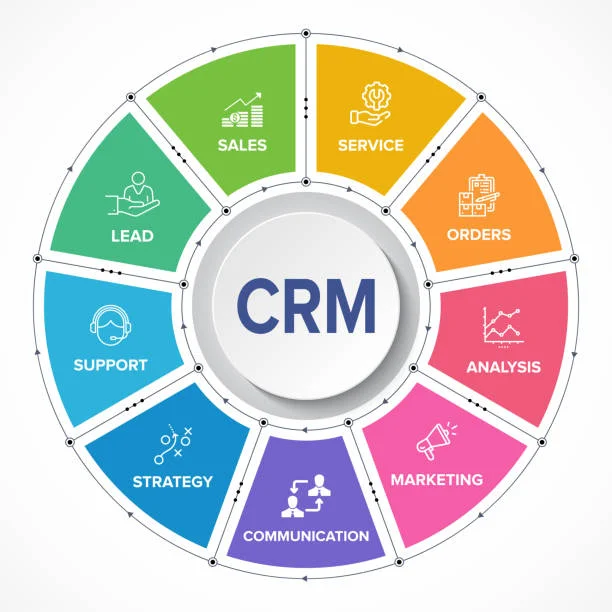
A CRM (Customer Relationship Management) system is a technology platform designed to help businesses manage their interactions with current and potential customers. In real estate, these systems enable agents and brokers to keep track of client information, sales data, and marketing efforts in one centralized location. The ultimate goal is to enhance the customer experience, increase sales, and foster long-term relationships.
The Need for CRM in Real Estate
The real estate industry is built on relationships. Agents need to nurture connections with clients, prospects, and leads. As the number of transactions and clients grows, managing these relationships manually becomes increasingly challenging. A CRM system streamlines this process by automating tasks, providing valuable insights, and ensuring that agents can deliver personalized experiences to their clients.
Driving Sales with CRM Systems
Streamlined Lead Management
One of the primary benefits of a CRM system in real estate is its capability to streamline lead management. Agents can capture leads from various sources—such as websites, social media, and referrals—and store them in a single database.
Lead Scoring and Qualification
CRM systems utilize lead scoring techniques, allowing agents to prioritize leads based on their readiness to buy or sell. By identifying hot leads, agents can focus their efforts on individuals who are more likely to convert, thus driving sales effectively.
Enhanced Communication
Effective communication is key to closing deals in real estate. CRM systems offer integrated communication tools that allow agents to communicate with clients via email, phone, and social media.
Automated Follow-ups
Moreover, automation features enable agents to schedule follow-ups, ensuring that no lead is neglected. An efficient follow-up can mean the difference between closing a sale and losing potential clients to competitors.
Data-Driven Decision Making
CRM systems provide valuable analytics and reporting capabilities. By analyzing customer data, agents can gain insights into market trends, client preferences, and overall performance.
Forecasting Sales Trends
This information helps real estate professionals make informed decisions about their sales strategies, allowing them to adjust their approach based on real-time data and trends in the market.
Boosting Customer Retention with CRM Systems
Personalized Customer Experiences
Personalization is at the heart of customer retention. CRM systems enable real estate professionals to gather and store essential information about their clients, including preferences, past transactions, and interactions.
Tailored Recommendations
With this data, agents can provide tailored property recommendations and communicate relevant market updates that align with clients’ interests. By creating a personalized experience, agents can enhance customer satisfaction and loyalty.
Building Long-Term Relationships
The foundation of customer retention is trust. CRM systems allow agents to stay connected with clients even after transactions are complete.
Client Follow-up and Engagement
Whether through periodic check-ins, sending newsletters, or sharing valuable market insights, maintaining ongoing communication fosters lasting relationships. Happy clients are more likely to refer friends and family, creating a network of potential leads.
Customer Feedback and Improvement
CRM tools often include feedback mechanisms, such as surveys and reviews. Gathering feedback allows agents to understand what clients appreciate or where improvements are needed.
Continuous Improvement
This continuous feedback loop helps agents adapt to changing client needs and preferences, further solidifying customer loyalty.
Key Features of CRM Systems
Contact Management
The core of any CRM system is its contact management feature. This allows real estate agents to maintain a comprehensive database of clients, leads, and partners.
Integration with Other Tools
Many CRM systems also integrate with other tools such as email marketing platforms, accounting software, and mobile applications. This integration centralizes all aspects of the sales process, making it easier to manage.
Automation
Automation features within CRM systems streamline repetitive tasks. These include managing email campaigns, setting reminders for follow-ups, and generating reports.
Time-Saving Benefits
By automating these tasks, agents can focus more on building relationships and closing deals, rather than getting bogged down by administrative processes.
Mobile Accessibility
In an industry where agents are often on the go, mobile accessibility is essential. Many CRM systems offer mobile apps that allow agents to access client data, manage listings, and communicate with clients from anywhere.
Real-Time Updates
This real-time accessibility ensures that agents are always equipped with the information they need, enabling prompt responses to clients and leads.
Choosing the Right CRM System
Understanding Your Needs
When selecting a CRM system, it’s crucial for real estate professionals to assess their specific needs. Different systems may offer various features, so identifying what’s most important—be it lead management, analytics, or integrations—is vital.
Scalability
As your real estate business grows, so too will your CRM needs. Choosing a scalable solution that can grow with you will save time and money in the long run.
User-Friendly Interface
A user-friendly interface is important for ensuring that all team members can easily navigate the system. A steep learning curve can hinder productivity, so opting for a CRM that is intuitive and simple to use is beneficial.
Conclusion
CRM systems are integral to driving sales and enhancing customer retention in the real estate industry. By streamlining lead management, improving communication, personalizing the customer experience, and providing valuable insights, these systems equip agents with the tools they need to succeed. In a rapidly evolving market, adopting a comprehensive CRM system is not just advantageous—it’s essential for staying competitive and achieving long-term growth.
As the real estate landscape continues to change, those who leverage the power of CRM will be positioned to thrive. By focusing on relationships and utilizing technology to support their efforts, real estate professionals can drive sales and cultivate lasting customer loyalty.