
The Future of CRM in SaaS: Trends and Predictions for 2025
As we look toward 2025, the landscape of Customer Relationship Management (CRM) within Software as a Service (SaaS) is poised for significant transformation. With advancements in technology and shifting consumer behaviors, businesses are seeking innovative ways to enhance customer engagement, streamline processes, and improve overall efficiency. This comprehensive article explores the key trends and predictions surrounding the future of CRM in the SaaS domain, emphasizing significant insights and developments that are driving change.
Understanding CRM and SaaS
Before delving into future trends, it’s essential to understand what CRM and SaaS are. Customer Relationship Management (CRM) refers to strategies, software, and systems that help organizations manage interactions with customers and potential customers. On the other hand, Software as a Service (SaaS) is a software delivery model where applications are hosted in the cloud and accessible via the internet.
The Integration of CRM and SaaS
Over the last decade, CRM systems have increasingly migrated to the cloud, exemplified by the SaaS model, allowing businesses to access powerful customer data and relationship tools from anywhere with internet connectivity. This shift not only enhances flexibility but also reduces the need for substantial upfront investments in software and hardware.
Key Trends Reshaping CRM in SaaS
1. AI and Machine Learning Integration
The Rise of Predictive Analytics
Artificial Intelligence (AI) and machine learning are becoming integral components of CRM solutions in SaaS. By leveraging predictive analytics, businesses can gain insights into customer behavior, preferences, and trends. This capability allows organizations to anticipate customer needs and tailor their offerings accordingly, resulting in higher customer satisfaction and retention rates.
Chatbots and Virtual Assistants
Chatbots and virtual assistants powered by AI are revolutionizing customer service. These tools can handle routine inquiries, provide instant responses, and escalate issues to human agents when necessary. This level of automation not only improves efficiency but also allows human agents to focus on more complex customer interactions, thereby enhancing the overall customer experience.
2. Enhanced Data Security and Privacy
The Importance of Compliance
As data breaches become increasingly common, businesses must prioritize data security and compliance with regulations such as GDPR and CCPA. SaaS CRM providers are expected to implement advanced security measures to safeguard customer data and ensure compliance with these stringent regulations. This trend is crucial for building trust with customers and maintaining a positive brand reputation.
Zero Trust Security Models
Moving toward a zero trust security model, where verification is required from everyone trying to access resources, is becoming a standard practice in CRM SaaS solutions. This approach minimizes the risk of data breaches and enhances overall cybersecurity.
3. Omni-Channel and Multi-Channel Experiences
Integration Across Platforms
Customers today interact with businesses across numerous channels, including social media, email, mobile apps, and in-person interactions. The future of CRM in SaaS will focus on creating seamless omni-channel experiences, enabling businesses to engage with customers consistently, regardless of the platform they choose. Effective integration across these touchpoints will provide a cohesive view of customer interactions and preferences.
Personalization at Scale
As businesses gather more data from various channels, the ability to personalize customer interactions will become more sophisticated. Utilizing machine learning algorithms, CRM systems will enable organizations to deliver personalized content, recommendations, and experiences tailored to individual customer preferences, thereby enhancing engagement and loyalty.
4. The Role of CRM in Remote Work
Supporting Distributed Teams
The shift to remote work has necessitated tools that support collaboration among distributed teams. Future CRM systems in SaaS will focus on improving collaboration features, allowing team members to share insights, communicate effectively, and manage customer relationships from anywhere. Enhanced communication and workflow automation will become vital for maintaining productivity in a remote work environment.
Virtual Selling Tools
With an increase in virtual selling, CRM platforms will need to incorporate features specifically designed for remote sales teams. This includes video conferencing tools, sales performance metrics, and real-time data sharing capabilities that foster effective sales strategies and customer engagement remotely.
5. Subscription-Based Revenue Models
The Growth of Subscription Services
As SaaS continues to gain traction, businesses are increasingly embracing subscription-based revenue models. CRM systems will need to adapt to support recurring billing, customer lifecycle management, and subscription analytics. This shift will enable organizations to maintain a steady revenue stream while enhancing customer retention and lifetime value.
Customer Success Management
With subscription services, customer success management will become crucial. SaaS CRM platforms must include tools to monitor customer health, track product usage, and ensure customers receive value from their subscriptions. This proactive approach will help reduce churn and promote customer loyalty.
6. Integration with Emerging Technologies
Internet of Things (IoT)
The integration of IoT with CRM is a trend to watch in the coming years. As more devices become interconnected, CRM systems will leverage IoT data to gain deeper insights into customer behavior and preferences. This information will enable businesses to refine their offerings and deliver targeted marketing strategies.
Blockchain Technology
Blockchain technology also has the potential to revolutionize CRM in SaaS by enhancing data security, transparency, and trust. The immutable nature of blockchain can provide a more secure framework for managing customer identities and transactions, paving the way for more transparent customer relationships.
Predictions for CRM in 2025
1. Proliferation of No-Code/Low-Code Solutions
As organizations strive for agility, the demand for no-code and low-code CRM solutions will increase. These platforms enable users with little to no coding experience to customize and automate workflows, making CRM adoption more accessible for businesses of all sizes.
2. Greater Emphasis on Customer Experience
By 2025, businesses will prioritize customer experience as a central metric of their success. CRM systems will increasingly focus on enhancing customer journeys, ensuring every interaction is positive and reinforcing brand loyalty. Tools that analyze customer feedback and sentiment will become standard in assessing the quality of customer interactions.
3. Adoption of Unified Customer Engagement Platforms
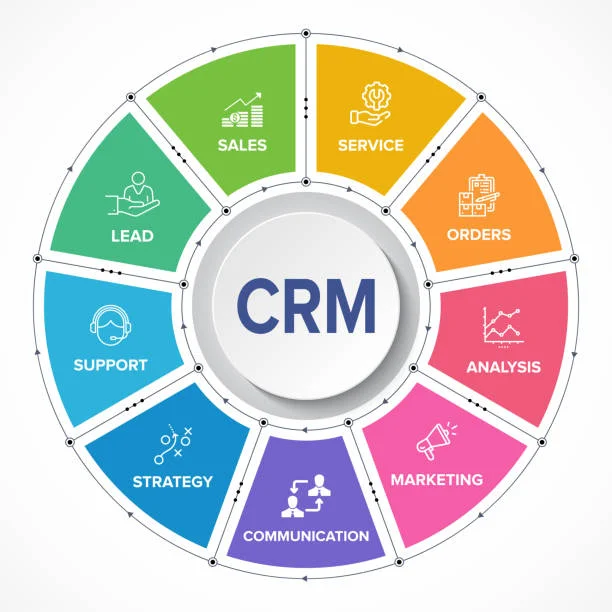
Companies will gravitate toward unified platforms that encompass CRM, marketing automation, customer service, and analytics. This holistic approach will streamline processes and provide a comprehensive view of customer interactions, making it easier for teams to collaborate and execute effective strategies.
4. Focus on Mental Health and Employee Well-Being
As remote work becomes the norm, businesses will pay more attention to employee well-being. CRM solutions will integrate features that support employee mental health and collaboration, creating a healthier work environment conducive to productivity and job satisfaction.
5. Advanced Measurement and Attribution Models
The need for precise measurement and attribution of marketing campaigns will drive CRM providers to develop advanced analytics capabilities. Businesses will leverage these tools to understand customer behavior more effectively, optimize marketing investments, and improve return on investment (ROI).
Conclusion
The future of CRM in the SaaS industry is bright and filled with opportunities for innovation. With the integration of advanced technologies such as AI, machine learning, and IoT, along with a strong focus on customer experience, businesses will be better equipped to engage with their customers in meaningful ways. As we approach 2025, organizations must stay ahead of the curve, embrace these emerging trends, and adapt their CRM strategies to thrive in a rapidly changing landscape.
By focusing on these shifts in CRM dynamics, businesses can foster stronger relationships with their customers, increase efficiency, and drive growth in an increasingly competitive marketplace.