






Boost Your Digital Marketing ROI with AI-Powered CRM Tools
In today’s fast-paced digital landscape, businesses must utilize every advantage at their disposal to improve their return on investment (ROI) from marketing efforts. One of the most impactful advancements in this space is the emergence of Artificial Intelligence (AI)-powered Customer Relationship Management (CRM) tools. These technologies not only streamline operations but also enhance customer interactions, enabling businesses to achieve a higher ROI. In this comprehensive article, we will explore how AI-powered CRM tools can significantly boost your digital marketing ROI.
Understanding AI-Powered CRM Tools
What is CRM?
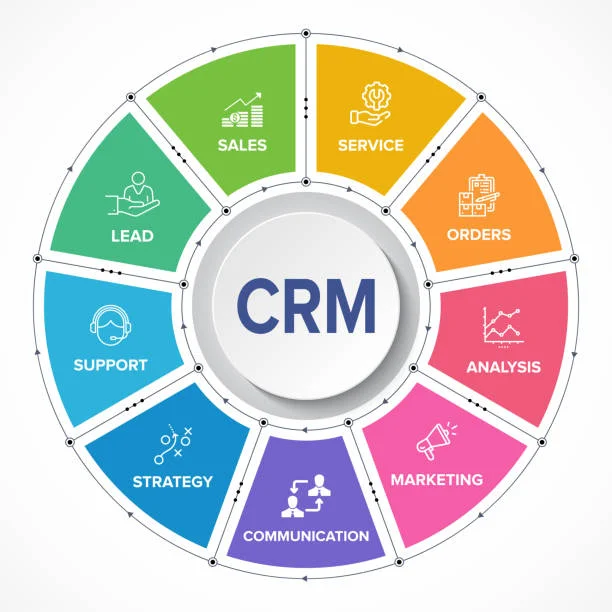
Customer Relationship Management (CRM) refers to strategies, practices, and technologies that companies use to manage and analyze customer interactions and data throughout the customer lifecycle. A CRM system helps businesses improve customer service relationships, assist in customer retention, and drive sales growth.
The Role of AI in CRM
AI in CRM involves using artificial intelligence to analyze data and automate processes, allowing businesses to enhance customer engagement and interactions. AI-powered CRM tools leverage machine learning, natural language processing, and predictive analytics to offer businesses insights that were previously impossible to obtain through traditional methods.
The Importance of ROI in Digital Marketing
What is ROI?
Return on Investment (ROI) is a performance measure used to evaluate the efficiency of an investment. In the context of digital marketing, ROI assesses the effectiveness of marketing campaigns by comparing the revenue generated to the cost of the marketing efforts.
Why Focus on ROI?
Focusing on ROI is crucial because it helps businesses allocate resources effectively, ensure sustainability, and drive growth. High ROI indicates successful marketing strategies, while low ROI suggests the need for re-evaluation and optimization.
How AI-Powered CRM Tools Enhance Digital Marketing ROI
1. Improved Customer Segmentation
One of the key benefits of AI-powered CRM tools is their ability to analyze vast amounts of customer data. This capability allows businesses to create highly accurate customer segments based on behavior, preferences, and buying patterns.
Keyword Strategy: Customer segmentation, marketing automation, audience analysis
Effective customer segmentation leads to personalized marketing campaigns, which have been shown to increase engagement rates and conversion rates. By delivering the right message to the right audience, businesses can significantly boost their digital marketing ROI.
2. Predictive Analytics
AI-powered CRM tools can harness predictive analytics to forecast customer behavior and market trends. By analyzing historical data, these tools can predict which products or services individual customers are likely to purchase, optimizing marketing efforts.
Keyword Strategy: Predictive analytics, data-driven marketing, customer insights
3. Enhanced Customer Engagement
AI chatbots and virtual assistants, integrated into CRM systems, offer immediate customer support and engagement. These tools can provide personalized responses based on customer queries, reducing response time and improving customer satisfaction.
Keyword Strategy: Customer engagement, chatbots, virtual assistants
Higher customer satisfaction leads to improved customer loyalty and retention, directly impacting your marketing ROI. Satisfied customers are also more likely to refer others, increasing your reach at a minimal cost.
4. Automated Marketing Campaigns
AI-powered CRM tools can automate marketing campaigns across various channels, such as email, social media, and content marketing. Automation saves time and ensures that marketing messages are consistently delivered at optimal times.
Keyword Strategy: Marketing automation, CRM automation, campaign management
Automation allows businesses to run more campaigns without additional resources, helping to maximize ROI. By automating repetitive tasks, marketers can focus on strategy and creative efforts, which can yield higher returns.
5. Real-Time Data Analytics
AI-powered CRMs provide real-time analytics that offer insights into campaign performance and customer behavior. Businesses can quickly assess what is working and what is not, allowing for agile marketing decisions.
Keyword Strategy: Real-time analytics, performance metrics, agile marketing
6. Customer Journey Mapping
AI tools facilitate mapping the customer journey by analyzing various touchpoints to understand how customers interact with your brand. This understanding allows businesses to optimize each stage of the customer journey.
Keyword Strategy: Customer journey mapping, user experience, journey optimization
By enhancing the customer experience at every interaction, businesses can reduce drop-off rates and increase conversions, thereby boosting ROI.
Best Practices for Implementing AI-Powered CRM Tools
1. Define Clear Objectives
Before implementing AI-powered CRM tools, businesses must define clear marketing objectives. Whether it’s improving lead generation or increasing customer retention, having specific goals will guide the implementation process.
2. Choose the Right Tools
Not all CRM tools are created equal. Evaluate different AI-powered CRM solutions based on your business needs, budget, and integration capabilities. Look for tools that offer powerful analytics, automation features, and robust customer support.
3. Train Your Team
Invest in training your marketing team to effectively utilize AI-powered CRM tools. Understanding how to harness the insights provided by these tools can lead to more effective campaign strategies.
4. Monitor and Optimize
Continuously monitor the performance of your AI-powered CRM tool and your marketing campaigns. Use the analytics to make data-driven adjustments to improve effectiveness and maximize ROI.
Future Trends in AI-Powered CRM
1. Increased Personalization
As AI technology evolves, the ability to deliver hyper-personalized experiences will continue to improve, allowing businesses to create campaigns that resonate on an individual level.
2. Enhanced Data Security
With increasing concerns around data privacy, future AI-powered CRM tools will prioritize enhanced security measures to protect customer data while ensuring compliance with regulations.
3. Integration with Other Technologies
Future CRM tools will increasingly integrate with other technologies such as blockchain and IoT, providing businesses with richer datasets and improved customer insights.
Conclusion
AI-powered CRM tools have the potential to revolutionize digital marketing efforts and significantly boost ROI. By leveraging advanced analytics, automating marketing processes, and enhancing customer engagement, businesses can stay ahead in an increasingly competitive landscape. The journey to maximizing your digital marketing ROI with AI starts with informed decisions and careful implementation of the right tools.
As businesses continue to adapt to the evolving digital landscape, those who embrace innovation will find themselves not only overcoming challenges but also thriving in a data-driven world.
Written by Domingo Hernández